Sainte-Luce: Coastal forest, nocturnal lemurs and birdwatching
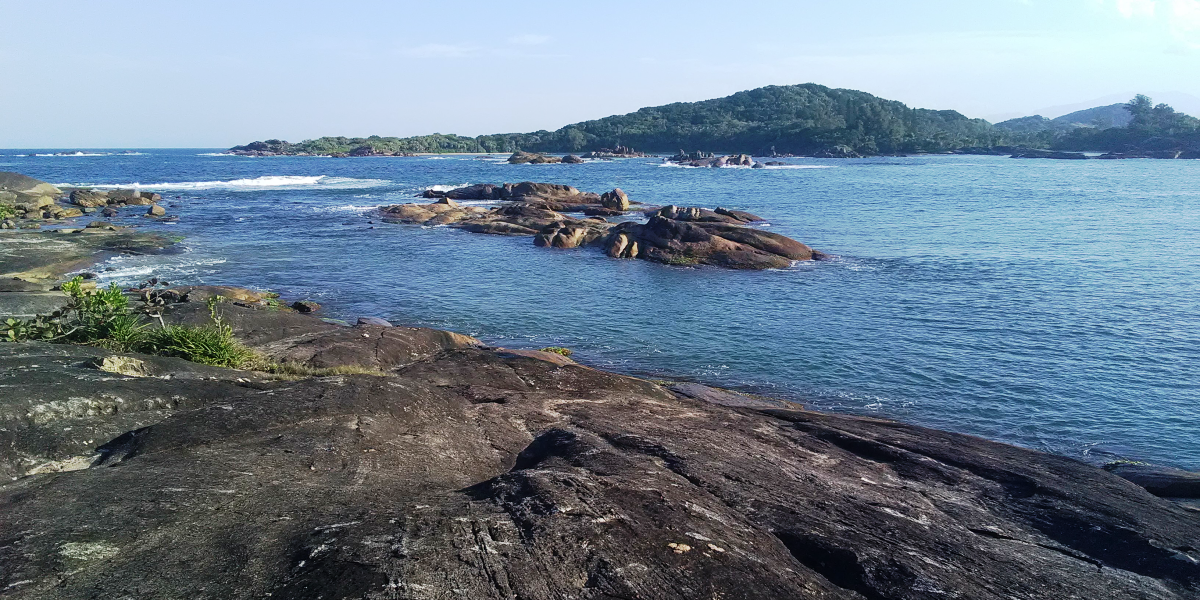 About 50 km north of Fort-Dauphin (Tolagnaro), Sainte-Luce offers a very different wildlife experience from the inland rainforests and dry forests of southern Madagascar.
The remaining coastal forest around Sainte-Luce is an important part of the region's natural heritage. For nature travelers, this area offers the opportunity to combine coastal landscapes with wildlife exploration and birdwatching.
Sainte-Luce is particularly interesting for travelers looking for nocturnal lemurs. A night walk in the forest can reveal species that are rarely seen during the day, making this one of the most rewarding experiences for visitors interested in Madagascar's nocturnal wildlife.
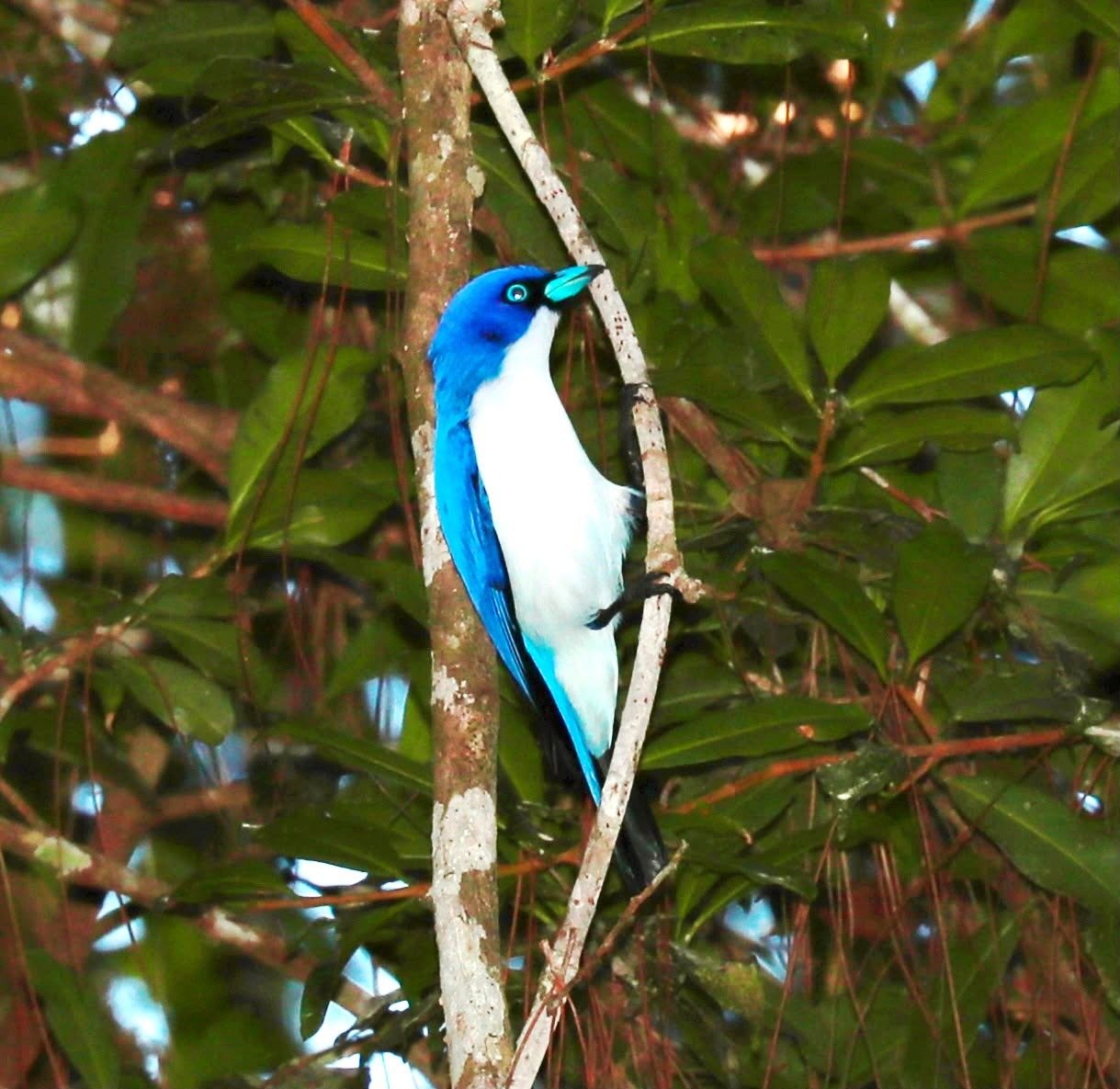
The area is also attractive for birdwatchers, with opportunities to search for endemic forest birds, including the pitta-like ground-roller and other species associated with the southeastern forests.
For travelers staying in Fort-Dauphin, Sainte-Luce can therefore be much more than a beautiful beach destination: it can become an important part of a wildlife and birdwatching itinerary in southeastern Madagascar.
Andohahela National Park
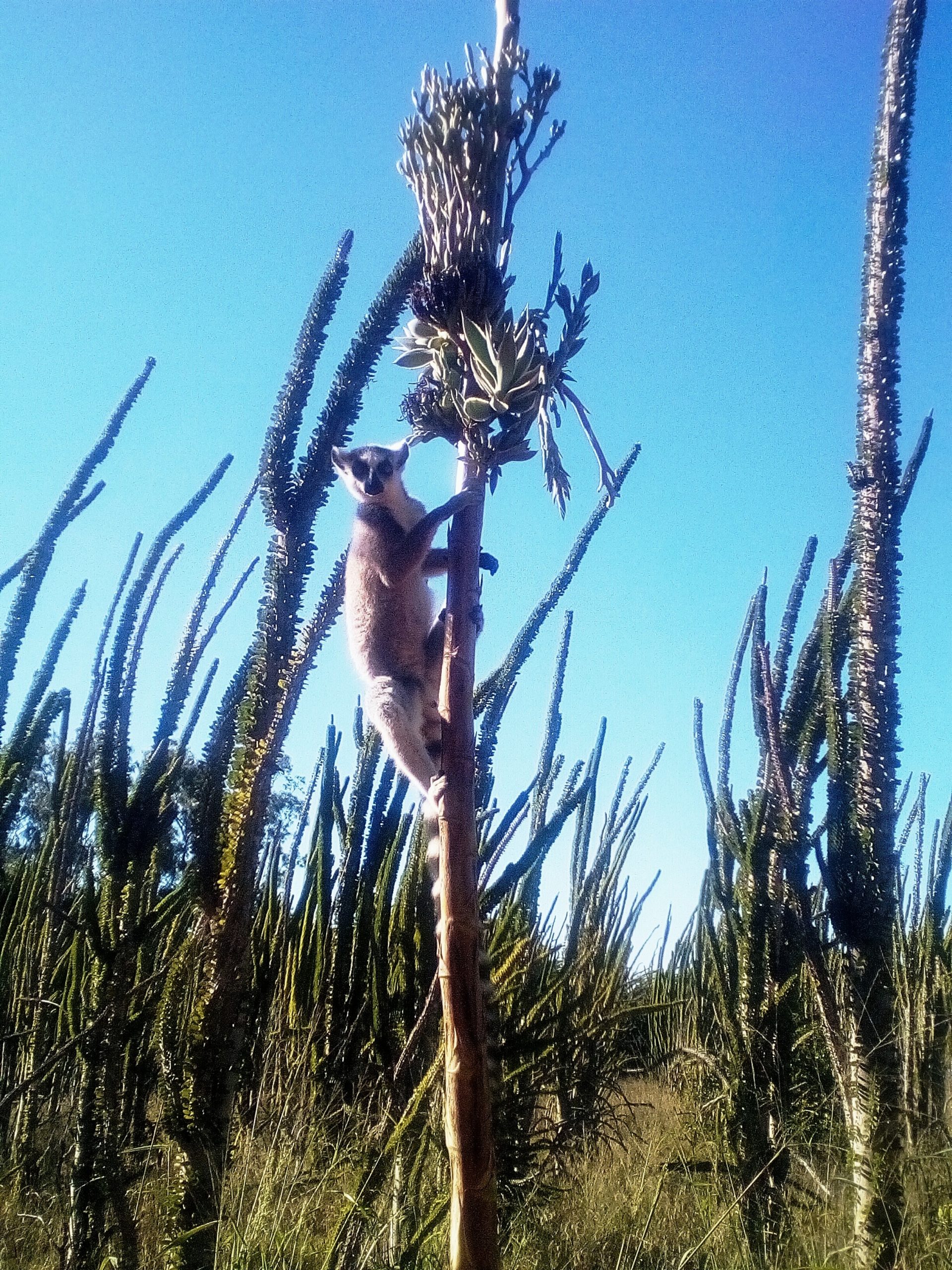 Andohahela National Park is one of the most remarkable protected areas in southern Madagascar because of its exceptional variety of habitats.
Depending on the area you explore, you can experience humid forest, intermediate forest and dry forest. This ecological diversity creates opportunities to observe different species and landscapes within the same protected area.
For birdwatchers and wildlife photographers, Andohahela is particularly interesting because of its endemic species and relatively wild atmosphere.
 Lake Anony and the southern wetlands
The landscapes around Lake Anony provide a completely different experience.
Wetlands and coastal areas are particularly interesting for birdwatchers because they attract a variety of waterbirds. Depending on conditions and season, travelers may have opportunities to observe species such as the Greater Flamingo.
Combining wetlands with forests and dry landscapes makes a South Madagascar wildlife journey much more diverse.
Berenty Reserve
Berenty Reserve is one of the best-known wildlife destinations in southern Madagascar.
It is particularly famous for its lemurs and dry forest environment. Travelers can experience Madagascar's unique wildlife while also discovering the distinctive landscapes and culture of the southern region.
Berenty can be an excellent stop for travelers who want to combine lemur watching with a wider South Madagascar wildlife expedition.
 South Madagascar for Birdwatchers
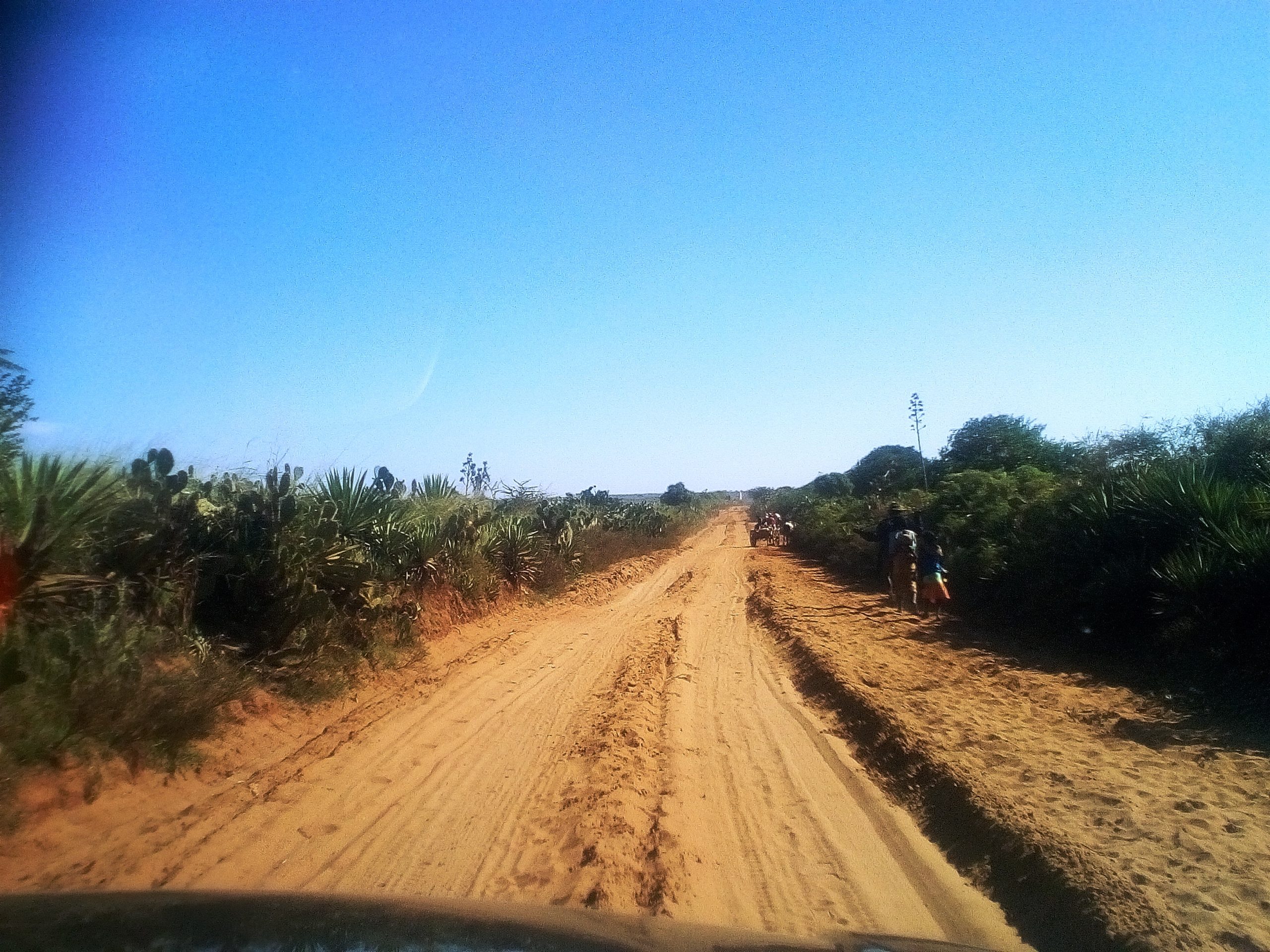
For birdwatchers, southern Madagascar offers an opportunity to search for some of the island's most remarkable endemic birds.
A carefully designed itinerary can combine different habitats, including:
humid forest → intermediate forest → dry forest → wetlands → coastal areas
This variety is important because Madagascar's endemic birds are often associated with particular habitats.
Species of interest may include the Red-tailed Newtonia, Scaly Ground Roller, Red Owl, Running Coua and Red-fronted Coua, among many other endemic birds.
For dedicated birdwatchers, the objective should not simply be to visit famous tourist attractions. The real value is to connect several different habitats and wildlife areas in one carefully planned journey.
A different way to discover Madagascar
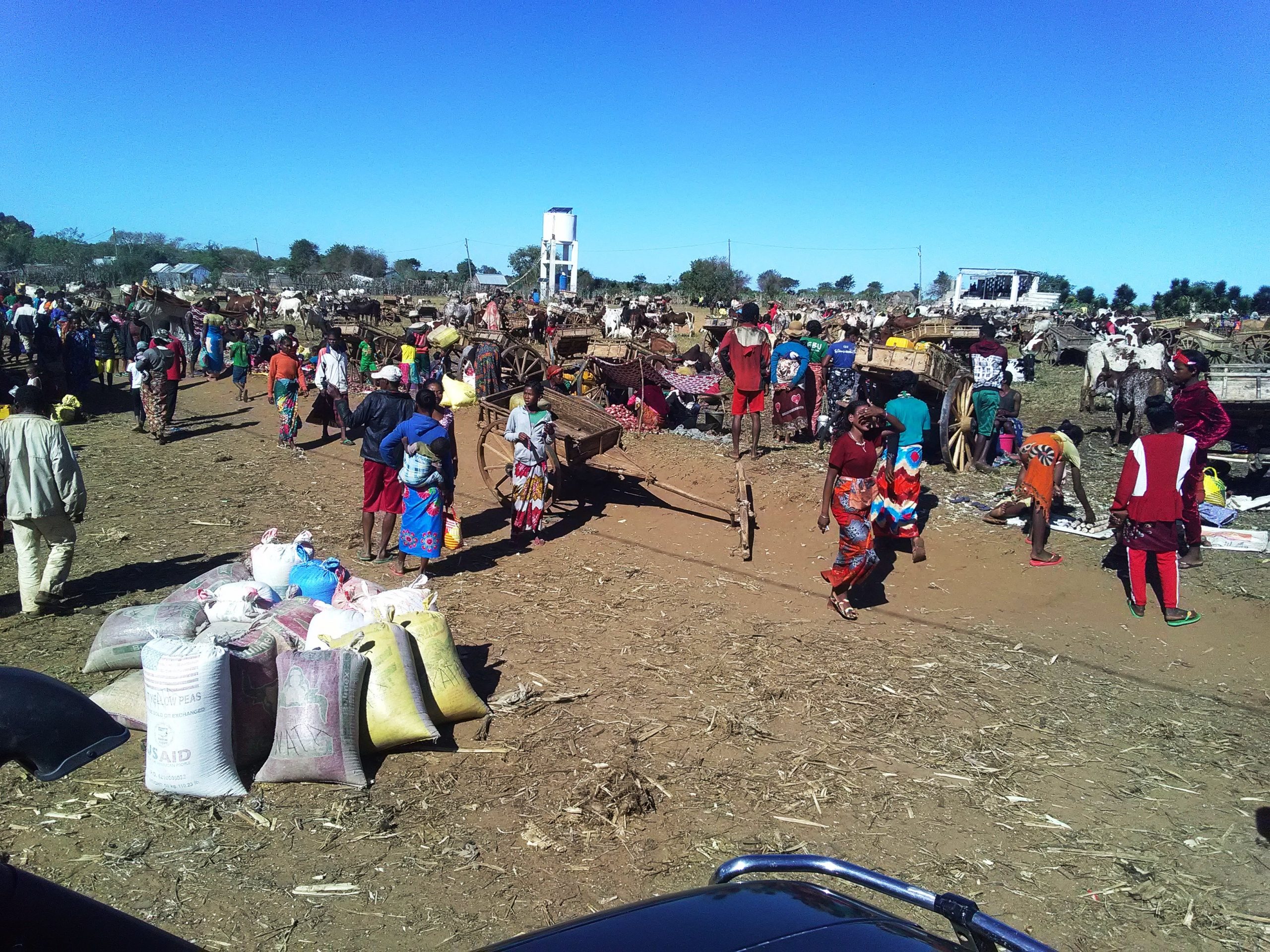
South Madagascar is not only about wildlife.
A well-designed journey can combine:
Wildlife + Birdwatching + Rainforest + Dry Forest + Hiking + Coastal Landscapes + Local Culture
This makes the region particularly attractive to independent travelers, wildlife photographers, birdwatchers, researchers and nature enthusiasts.
Rather than following a standard itinerary, travelers can create a journey according to their interests, available time and target species.